A wet floor at a Levee District restaurant. A patch of black ice on a riverfront walkway. An uneven sidewalk near the Illinois Central College campus. Slip and fall accidents in Peoria can happen anywhere, and they can happen fast. One moment you’re going about your day, and the next you’re on the ground, hurt, and wondering what comes next.
Slip, trip, and fall accidents can leave you with broken bones, head injuries, torn ligaments, or worse. Medical bills pile up quickly. You may miss work. And the property owner’s insurance company will almost certainly push back. If someone else’s negligence caused your fall, compensation may be available to help cover those costs and more.
Onward Accident & Injury Law serves injured people throughout Peoria County, Tazewell County, and across Central Illinois. We understand what it takes to build a strong premises liability claim, and we are ready to help. For a free consultation, contact our law firm today.
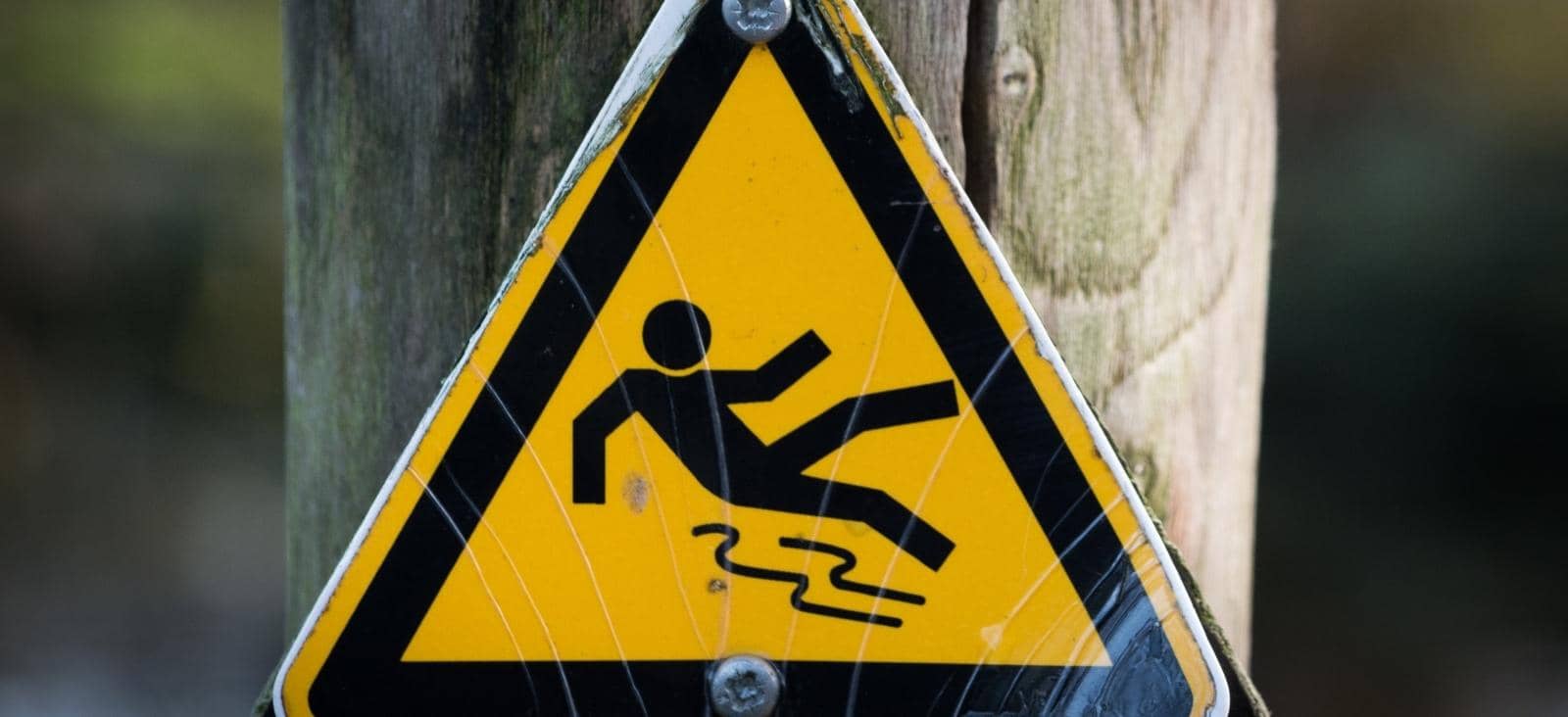
How Slip and Fall Accidents Happen in Peoria, IL
Slip and fall cases fall under premises liability law, which means they involve property owners’ legal responsibility to keep their spaces reasonably safe. When they fail to do that and someone gets hurt, the injured person may have a valid claim.
Common causes of slip and fall accidents in Peoria include:
- Wet or Slippery Floors: Spills in retail stores, restaurants, and casinos that are not cleaned up or marked in time.
- Uneven Surfaces: Cracked pavement, broken sidewalk panels, raised thresholds, and poorly maintained walkways.
- Poor Lighting: Dimly lit parking lots, stairwells, or entryways where hazards are not visible.
- Missing or Damaged Handrails: Especially on staircases or ramps with elevation changes.
- Cluttered Walkways: Merchandise, cords, or debris left in areas where people are walking.
Any of these conditions, left unaddressed by a property owner or manager, can form the basis of a premises liability claim under Illinois law.
Where Slip and Fall Accidents Happen in Peoria, IL
Peoria has a mix of busy retail corridors, riverfront attractions, recreational spaces, and steep terrain that creates real slip and fall risk throughout the city.
The Levee District
The Levee District is East Peoria’s main retail and entertainment area. Bounded by West Washington Street, Clock Tower Drive, West Camp Street, and Spinder Drive, it draws heavy foot traffic year-round. Crowds can get particularly large for the Farmer’s Market, Music in the Park, and the Levee District Cruise-In. There are also large parking lots that serve the area.
During winter, those parking lots can ice over quickly, and entryways to restaurants and shops become slippery with tracked-in slush and water. A property owner who fails to salt, plow, or post warnings on time may be responsible when someone falls.
The Riverfront and Par-A-Dice Casino
The Peoria riverfront, including Riverfront Park, the Riverfront Promenade, and Par-A-Dice Hotel Casino, attracts both tourists and locals. Outdoor walkways along the Illinois River are beautiful in every season but become genuinely hazardous in icy conditions.
Casino floors, hotel entryways, and covered walkways can all present wet-floor risks. Falls on casino or hotel property are especially common, and large hospitality businesses often have aggressive insurance adjusters who will work hard to minimize your claim.
Folepi’s Winter Wonderland and the Festival of Lights
Each year from November through January, Folepi’s Winter Wonderland and the Festival of Lights bring a surge of seasonal visitors to Peoria. High foot traffic in cold, wet, and icy conditions creates elevated fall risk throughout the event season.
Illinois Central College Campus
Illinois Central College’s Peoria campus sits on the bluff between Peoria and Washington off US Route 24. Students and staff move across campus constantly. Walkways on college property can become icy or slippery in winter. Internal corridors, stairwells, and entryways all carry the same maintenance obligations as any other property in Illinois.
EastSide Centre and Recreation Areas
EastSide Centre draws tournament traffic from across the region. Large athletic facilities with high foot traffic, wet entryways from weather, and busy parking areas all create fall hazards.
The River Trail of Illinois, a paved recreational path running from East Peoria toward Morton, also sees regular use. Surfaces need to be properly maintained, as do any transitions where the trail crosses streets or connects with other local infrastructure.
Retail and Commercial Properties
Peoria has a range of grocery stores, restaurants, and commercial spaces throughout the city. Inside any of these, a spill that is not cleaned up promptly or a mat that is not laid down correctly can cause a serious fall. Owners and managers of commercial properties have a duty to respond to hazards in a reasonable time.
Illinois Slip and Fall Laws Every Peoria Resident Should Know
Property Owner Duty of Care
Under Illinois law, property owners owe a duty of reasonable care to people who are on their property lawfully. That includes customers in stores, guests in hotels, visitors at entertainment venues, and members of the public on maintained public spaces. If a hazard existed, the owner knew or should have known about it, and they failed to fix it or warn you, you may have a claim.
Partial Fault for a Slip, Trip, or Fall
Illinois follows a modified comparative fault rule. If you are partly responsible for your fall, your compensation is reduced by your percentage of fault. For example, if you are found 20% at fault, your recovery is reduced by 20%. But if you are found more than 50% at fault, you cannot recover anything.
Insurance adjusters often try to put as much blame on the injured person as possible. Having a slip and fall injury attorney in your corner helps push back on those tactics.
Statute of Limitations for Slip and Fall Accidents
Most slip and fall claims in Illinois must be filed within two years of the date of injury. If your fall happened on government-owned property, the deadline may be shorter and there may be notice requirements you have to meet before filing. Missing a deadline can cost you your right to recover. Do not wait to speak with our slip and fall lawyers serving Peoria.
Steps to Take After a Slip and Fall in Peoria, IL
Prioritize Your Health
Even if you seem fine after a fall, go see a doctor to ensure you are fine and to document any injuries. Concussions, small fractures, and other conditions may not be immediately apparent. Getting checked out by a doctor ensures there’s a record of what happened that connects your injuries to the fall.
You can visit OSF Saint Francis Medical Center or Carle Health Methodist Hospital, or Carle Health Pekin Hospital to the south.
Document Everything
If you can, take photos of the hazardous condition before it is cleaned up or repaired. Get the names of anyone who witnessed the fall. Report the incident to the property manager or owner and ask for a written copy of any incident report. Save all your medical records and bills.
Do Not Give a Recorded Statement
The property owner’s insurance company may call you quickly. Be careful. Recorded statements can be used to minimize your claim. Talk to our slip and fall attorneys serving Peoria before you speak with any insurer.
Call Onward Accident & Injury Law
The sooner we get involved, the better we can preserve evidence and protect your rights. We handle the investigation, the paperwork, and the insurance negotiations so you can focus on getting better.
Compensation Available in Peoria Slip and Fall Cases
A successful premises liability claim in Illinois may allow you to seek compensation for:
- Medical Expenses: Emergency care, hospitalization, surgery, physical therapy, and ongoing treatment costs.
- Lost Wages: Income you missed while recovering, or future earning capacity if your injuries are long-term.
- Pain and Suffering: The physical pain and emotional impact of the injury and recovery.
- Disability and Disfigurement: Compensation for lasting physical limitations or permanent changes to your appearance.
- Out-of-Pocket Costs: Transportation to appointments, home care, assistive devices, and other expenses tied to your injury.
Every case is different, and the value of a claim depends on the specific facts. We will walk you through what may apply in your situation.
Talk to a Peoria and Tazewell County Slip and Fall Attorney for Free
A fall can change your life in an instant. If it happened because a property owner was careless, you should not have to carry that burden alone. At Onward Accident & Injury Law, we give a damn about what happens to you, and we will work hard to help you get the outcome you deserve.
We serve Peoria County, Tazewell County, and communities throughout Central Illinois. We are available by phone 24/7, and there is no fee unless we win your case. Let us help you figure out what comes next. Contact our law firm today for your free consultation.
Get your free consultation
It only takes a few minutes.
"*" indicates required fields
Locations
Our Results
-
$5.25 Million
Trucking Accident
Iroquois County
-
$3.5 Million
Motor Vehicle Accident
Logan County
-
$2.75 Million
Motor Vehicle Accident
Christian County

Frequently Asked Questions About Slip and Fall Accidents in Peoria, IL
You generally need to show that the property owner had a hazardous condition, knew or should have known about it, failed to fix it or warn you, and that you were hurt as a result. Evidence like photos, surveillance footage, witness statements, and maintenance records all matter. The sooner you act, the easier it is to gather that evidence.
You can still recover in Illinois as long as you are not more than 50% responsible. Your compensation would be reduced by your share of the fault. Insurance companies often try to inflate your percentage of blame. An attorney can help make sure that does not happen unfairly.
In most cases, two years from the date of the fall. If the property is government-owned (e.g., a city park, a public sidewalk, a municipal building), the deadline may be shorter, and there may be a notice requirement. Do not assume you have time to spare. Call our slip and fall lawyers serving Peoria ASAP. We will help you figure out where your deadline falls.
Nothing upfront. Onward Accident & Injury Law works on a contingency fee basis. That means you pay no attorney fees unless we recover compensation for you. There is no financial risk to calling us and finding out where you stand.
Almost never. First offers are typically low. Once you accept a settlement, you give up the right to seek more, even if your injuries turn out to be more serious than expected. Talk to a slip, trip, and fall attorney before you sign anything.