Share this article


Two Wheels, One Community: A Cyclist’s Guide to Group Rides
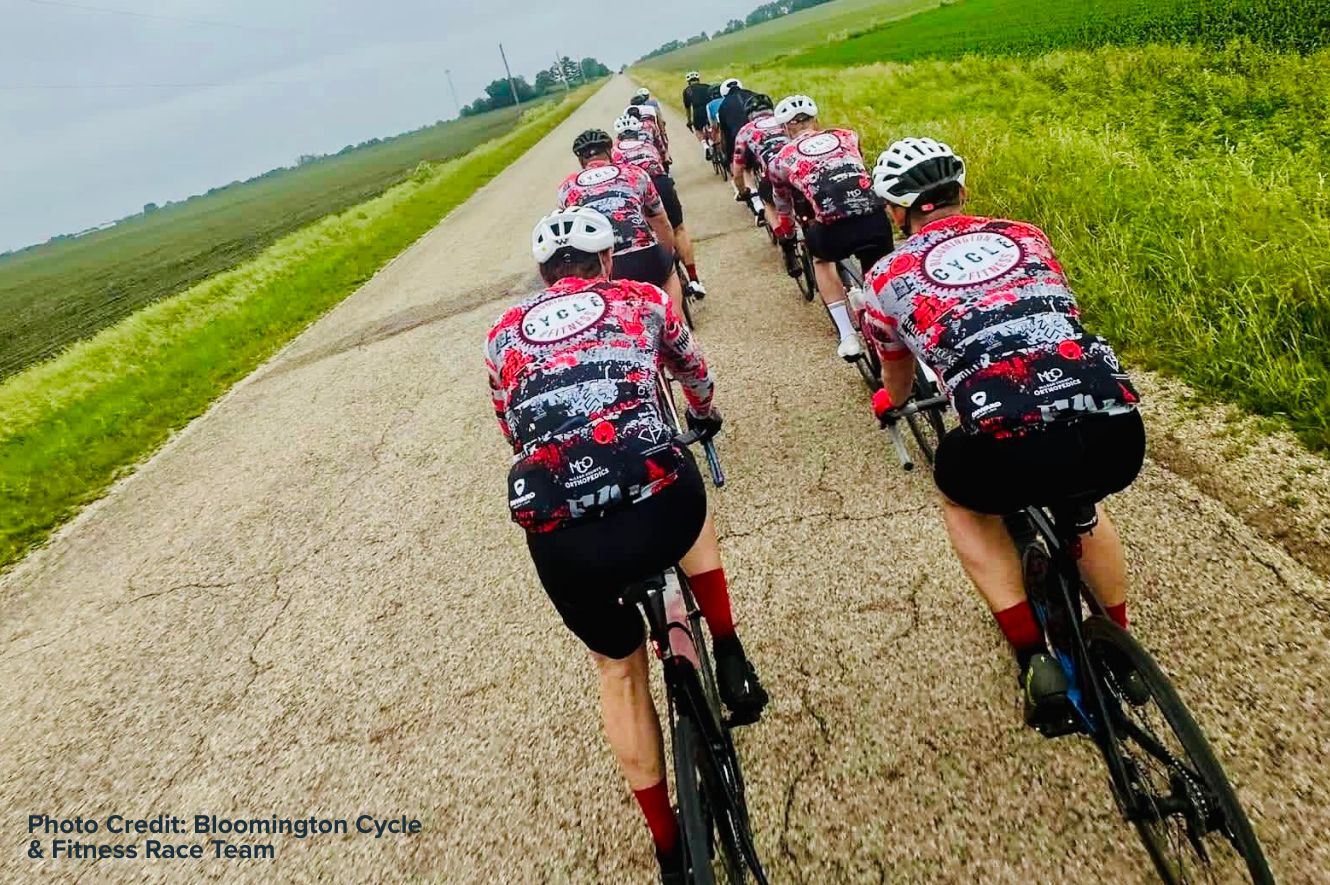
At Onward Injury Law, we care about the people who make up this community, and that includes the cyclists we see rolling through our neighborhoods every day. Cycling is a great way to stay active and connect with others. But like any road activity, it comes with risks. The more prepared and informed you are, the safer and more enjoyable the ride.
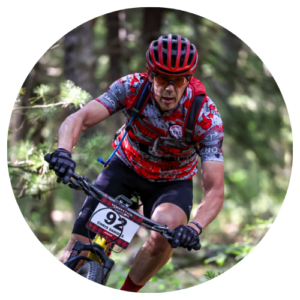 That’s why we sat down with Chris Daniels of the Bloomington Race Team, a local bicycle racing group. Chris knows these roads, these trails, and this community inside and out. Whether you’re brand new to cycling or you’ve been riding solo and are finally ready to join a group, Chris can make your first group ride feel a whole lot less scary.
For someone new to cycling, what exactly is a group ride and how does it typically work?
Chris: A group ride is a group of like-minded cyclists getting together, typically at a common meeting point, at a scheduled time, and with a scheduled route to follow. For riders here in BloNo several places along the Constitution Trail is a common meeting point for many groups since it allows easy access from many neighborhoods and will lead you out of town safely.
Why are group rides a good way for someone to get started with cycling?
Chris: Most importantly riding with a group allows you to learn and improve your skills, which can lead to more confidence and potentially improved fitness if that’s your goal. Not only will you learn about cycling etiquette, but you’ll understand more about the culture and lifestyle.
Group rides can sound intimidating, what would you say to someone who’s nervous about joining their first one?
Chris: They are definitely intimidating for a first timer especially the bigger the group. One good way to ease your anxiety would be to first ride with a friend or two before joining a larger group. Having those friends join you in a large group can ease your nervousness. If you don’t have a friend that can join you, it’s a good idea to connect with someone as you gather and announce it’s your first time in a big group. A fellow cyclist should be able to help you and provide guidance so you don’t get into trouble.
What should someone expect on their first group ride, and how can they prepare?
Chris: Show up on time and better yet, early so you can mingle with people, mention this is your first big group ride if that’s the case and calm your nerves before the ride starts.
Know before you go the distance you will be riding if it was announced so you can prepare. If not, ask! Having enough food and water is essential and you don’t want to be caught out in the middle of nowhere without it. Depending on the distance, always eat and hydrate properly so you don’t run out of energy or dehydrate.
Know before you go the route if it was announced so you can let someone at home know where you’ll be riding, and if you are tech savvy you can load the route into your bike computer to follow along. This is especially helpful to know when turns are coming ahead of time.
Know before you go what the weather will be like, temperature and wind. During the spring and fall you may want to wear a jacket or arm/leg warmers to start so you can remove them as the temperatures increase during the ride. During the summer it is always a good idea to apply sunscreen and bring plenty of water. If it is extremely windy, ensure you are comfortable being pushed around by the wind or riding behind someone very closely to break the wind or “draft”.
How does riding in a group help improve safety and awareness on the road?
Chris: You’ll quickly learn that you are completely exposed when you’re out on the open road with only your thin cycling kit and helmet to protect you. You versus a 4000lb car is no match. Road surfaces can change and there can be debris in the road at any time. Conditions become more unsafe at higher speeds. This is why everyone should be looking out for everyone else at all times.
Are there any common mistakes new riders make in group settings, or basic etiquette they should know?
Chris: Maybe the biggest mistake might be when riding next to, or passing another cyclist, don’t make sudden unexpected movements. Always announce or signal your intentions. One small movement can be magnified like a wave through the rest of the group.
First timers should also spend more time always being aware than talking or looking around at the scenery. Being aware will allow you to learn more about cycling etiquette. How and when to signal turns, slow down, or stop. How to communicate when cars are ahead or behind. You will quickly get the hang of it and can enjoy the surrounding the more you ride.
If someone is interested, how can they find and join a group ride?
Chris: For BloNo residents there are several established cycling groups in town. Bloomington Cycle & Fitness, The Wheelers, and Vitesse Cycling to name a few. Each has a Facebook page and/or web site with details about group rides, days, and times.
If you are new to a community, it’s pretty common for cycling groups to have Facebook pages or possibly web sites where you can quickly search to find like-minded individuals. Don’t be afraid to reach out. You have to start somewhere!
Ride Together. Look Out for Each Other.
Chris said it best; everyone should be looking out for everyone else at all times. That spirit of mutual care is exactly what makes a cycling community so special, and it’s a value we share at Onward Injury Law.
Cyclists are among the most vulnerable people on our roads. No matter how prepared you are, how experienced your group is, or how carefully you follow the rules, accidents can still happen. Drivers run red lights. Road conditions change without warning. And when a cyclist gets hurt, the consequences can be serious.
If you or someone you love has been injured in a cycling accident, we’re here to help. Our team is made up of real people who care about this community, people who want to make sure you’re not left on your own to figure out what comes next. We’ll walk you through your options, answer your questions in plain language, and fight to make sure you’re treated fairly.
Ride safe out there. And if you ever need us, we’re just a call away.
Share this article