Share this article


Before You Hand Over the Keys: Helping Your Teen Stay Safe Behind the Wheel
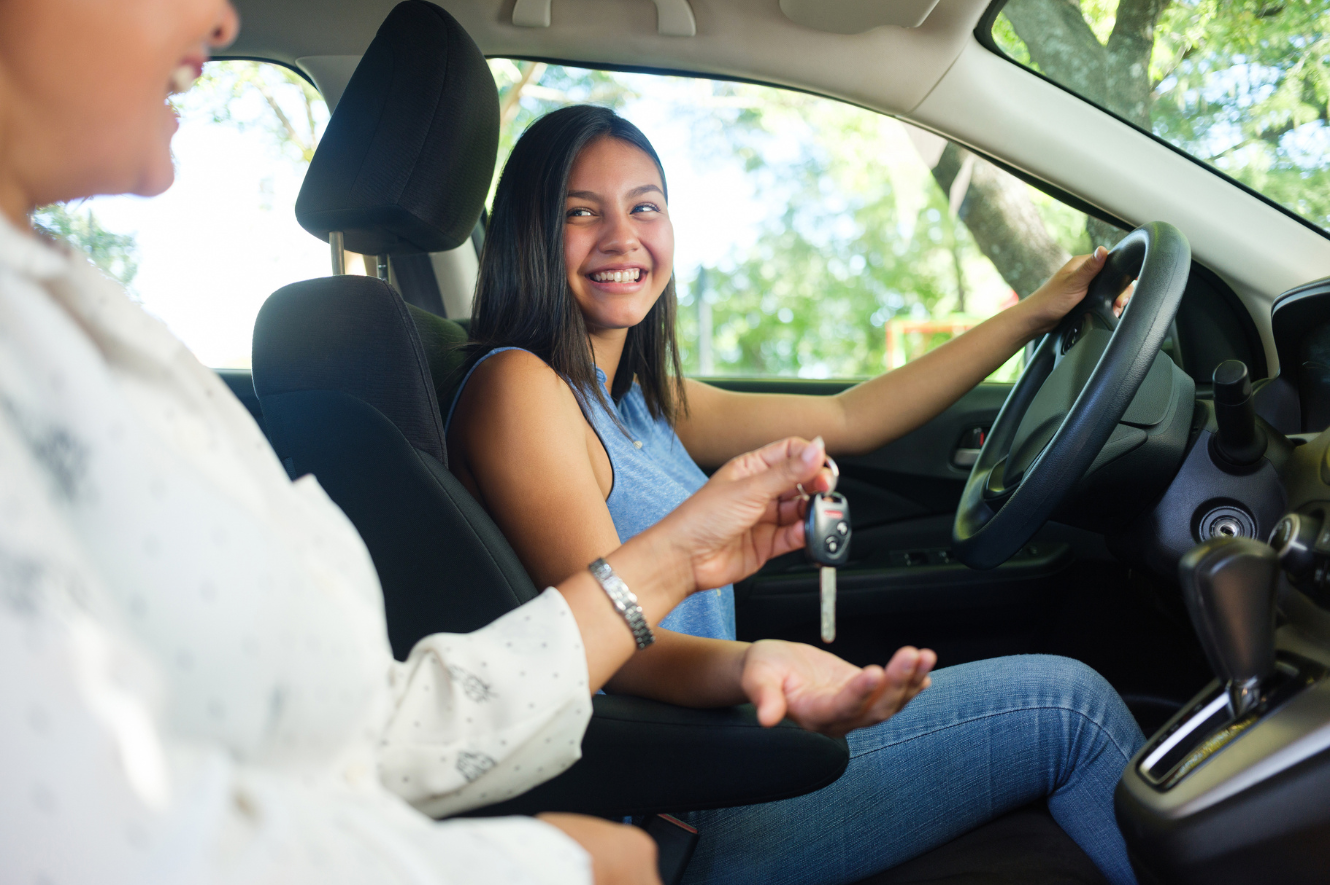
Watching your teenager drive away alone for the first time is a moment you’ll never forget. It’s exciting. It’s emotional. And if you’re like most parents, it’s a little nerve-racking too.
The good news? You have a bigger impact on your teen’s safety than you might realize.
Safe driving is more than passing the driver’s test. It’s building good habits, gaining experience, and having honest conversations long before those first solo trips. We recently spoke with Jeff Davis, a high school driver’s education teacher with 27 years of experience, to learn what he wishes every parent knew before handing over the keys.
Why Teen Driver Safety Matters
Car crashes remain the leading cause of death for teenagers in the United States. The biggest reason isn’t recklessness, it’s simply inexperience.
New drivers are still learning how to recognize hazards, react to unexpected situations, and manage everything happening around them at once. That’s why the first months behind the wheel are some of the most important.
The encouraging part? Experience, practice, and guidance can dramatically improve those skills.
What Parents Often Overlook
They may not know the roads as well as you think.
Jeff says one thing surprises him year after year.
“Some of these kids can’t tell you how to get to certain places, even locally in town.”
Many teens have spent years riding in the passenger seat looking at their phones instead of paying attention to the world outside the window. When they suddenly have to navigate on their own, unfamiliar roads become another distraction.
Before your teen starts driving independently, spend time practicing the routes they’ll drive most often—school, work, sports, and friends’ houses. Knowing where they’re going allows them to spend more attention on driving safely.
Phones aren’t just distractions, they’re habits.
For many teenagers, checking their phone is automatic.
Jeff recommends creating a simple rule before the vehicle ever moves:
- Put the phone on silent.
- Place it face down or in a holder.
- Leave it alone until the car is parked.
Some families also use apps like Life360 to encourage accountability and provide peace of mind.
The goal is creating safe habits that last.
New drivers tend to develop tunnel vision.
One of the biggest challenges for inexperienced drivers is focusing on only what’s directly in front of them.
As Jeff explains:
“Beginning drivers just focus on one spot. They’re not checking mirrors or aware of everything happening around them.”
Experienced drivers constantly scan mirrors, intersections, pedestrians, cyclists, traffic signals, and vehicles around them. That awareness comes with repetition and lots of practice.
Driving Habits That Build Confidence
Try commentary driving.
One of Jeff’s favorite teaching techniques is something parents can easily do at home.
Ask your teen to talk through everything they see while driving.
For example:
“Green light ahead. Checking mirrors. Car slowing on my right. Pedestrian waiting to cross.”
Speaking observations out loud helps new drivers process more information while also helping parents stay calmer in the passenger seat.
Practice more than the minimum.
Think of driving like learning a sport.
The more repetitions your teen gets, the more natural safe driving becomes.
Drive together during:
- Busy traffic
- Rainy weather
- Highway trips
- Night driving
- Routine errands
Every mile builds confidence before they’re driving alone.
Remember, they’re watching you.
Parents teach more than they realize.
If you speed, glance at your phone, or roll through stop signs, your teen notices.
If you buckle up every time, use your turn signal, stay off your phone, and drive patiently, they’ll notice that too.
The safest habits often start with the example sitting in the driver’s seat.
Conversations Every Parent Should Have
Before your teen starts driving alone, make time for conversations that prepare them for real situations.
Talk about:
- What to do if emergency vehicles approach.
- How to handle aggressive drivers.
- What happens if they get lost or feel uncomfortable.
- When they should call you for help.
Make one thing crystal clear:
No matter what happens, they can always call you.
Whether it’s a flat tire, a fender bender, or simply feeling unsafe, knowing they have someone to rely on is one of the best safety nets you can give them.
You may also want to establish family rules around:
- Passengers during the first few months.
- Nighttime driving.
- Weather conditions.
- Long-distance trips.
Setting expectations early helps eliminate difficult decisions later.
Choosing a Safe First Vehicle
Jeff encourages parents to prioritize safety over style.
Look for a vehicle that is:
- Reliable
- Well-maintained
- Equipped with strong safety ratings
- Thoroughly inspected before your teen begins driving it
Good brakes, quality tires, working headlights, and dependable maintenance matter far more than appearance.
A safe vehicle gives your teen another layer of protection while they continue building experience.
The Learning Doesn’t End With a License
Getting a driver’s license isn’t the finish line.
It’s the beginning of a new stage where your involvement still matters.
Some teens are ready to drive independently right away. Others simply need more practice.
As Jeff puts it:
“Make sure your child is ready to drive by themselves. Don’t just throw them the keys.”
You know your child better than anyone.
Trust your instincts. Keep practicing. Keep talking. Keep checking in.
Those conversations—and your continued support—can make all the difference.
Help Protect the Ones You Love
No parent wants to imagine their teen being involved in a crash. While you can’t control every driver on the road, you can give your teenager the confidence, skills, and habits they need to stay as safe as possible.
And if the unthinkable happens because of someone else’s negligence, you don’t have to navigate it alone.
At Onward Injury Law, we help good people get through tough times. If your family has been injured in a car accident, we’ll stand up to the insurance companies, protect your rights, and handle the legal process so you can focus on what matters most—healing together.
Contact Onward Injury Law today for a free case review. Focus on healing. We’ll handle the rest.
Share this article