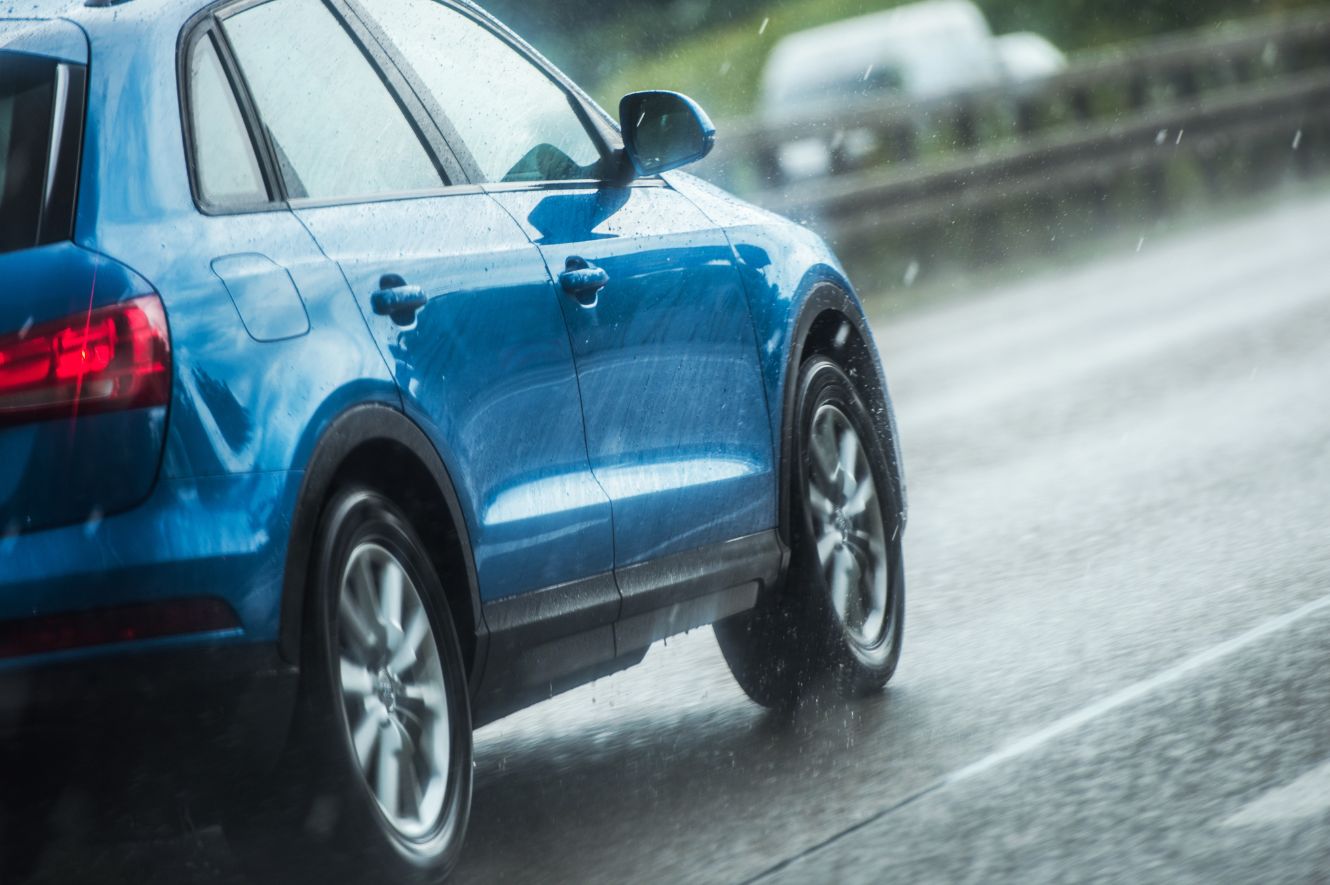
 Car accidents in Ottawa happen on some of LaSalle County’s busiest corridors. I-80 cuts through the area carrying heavy freight and commuter traffic, Illinois Route 23 runs directly into downtown, and US Route 6 connects Ottawa to surrounding communities across open stretches of rural highway. When a collision happens on any of these roads, the consequences can be sudden and serious.
If you were injured in a car accident in or around Ottawa, you may have the right to pursue compensation. Medical bills, lost wages, and ongoing medical treatment can quickly become difficult to manage. Taking action early can make a meaningful difference to your claim.
Onward Accident & Injury Law serves injured people throughout LaSalle County from our Ottawa office. We handle car accident cases on a contingency fee basis, which means you pay nothing unless we win. If you were hurt in a crash in Ottawa, contact our law firm today for a free case review.
How Our Ottawa Car Accident Attorneys Support LaSalle County Injury Survivors
The car accident attorneys at Onward can help investigate, build, and pursue your claim by:
Preserving the Evidence Needed to Prove Fault
We gather police reports, photographs, witness statements, and other available evidence before important details are lost.
Managing Insurance Company Communications
Our team handles discussions with insurance adjusters, responds to requests for information, and negotiates on your behalf throughout the claims process.
Documenting Your Injuries and Financial Losses
Whether you received treatment at OSF St. Elizabeth Medical Center or another provider, we obtain the records needed to document your injuries, medical expenses, lost income, and other damages.
Pursuing Compensation Through Negotiation or Litigation
Not every claim follows the same path. Whether negotiating with the insurance company or presenting your case in court, we continue pursuing the compensation supported by the evidence.
Where Car Accidents Happen in Ottawa, IL
Car accidents can happen anywhere, but certain roads and intersections in and around Ottawa present greater risks than others. Below are some of the busiest and highest-risk routes in the area.
I-80 Through LaSalle County
Interstate 80 carries heavy volumes of commercial trucks, local commuters, and out-of-state traffic through the Ottawa area. High-speed rear-end collisions, unsafe lane changes, crashes near interchanges, and truck accidents are among the most common collisions on this stretch.
Illinois Route 23 and Downtown Ottawa
Illinois Route 23 runs through downtown Ottawa, where through traffic mixes with local vehicles, pedestrians, and commercial entrances. Intersection crashes, left-turn collisions, and accidents involving vehicles entering or leaving businesses are common along this corridor.
US Route 6
US Route 6 passes through Ottawa before extending into rural LaSalle County. Higher speeds, limited sight lines near farm driveways, and slow-moving agricultural equipment create additional hazards, particularly during planting and harvest seasons.
Illinois Route 71
Illinois Route 71 serves as a main route to Starved Rock State Park. Weekend and seasonal tourism increases traffic volumes, contributing to rear-end collisions, distracted driving crashes, and intersection accidents.
Columbus Street and La Salle Street
These downtown streets carry steady local traffic through Ottawa’s commercial district near the Fox and Illinois River confluence. Congested intersections, pedestrian activity, and narrow lanes increase the risk of T-bone and sideswipe collisions.
Rural Roads Throughout LaSalle County
Many county roads outside Ottawa are narrow, have limited shoulders, and intersect with farm fields and gravel roads. Reduced visibility, higher travel speeds, and longer emergency response times can all affect the severity of a collision.
Common Types of Car Accident Cases We Handle in Ottawa
Car accident claims are not all the same. The cause of a crash, the severity of the injuries, and the insurance involved all shape how a case proceeds. Onward handles a wide range of collision types for Ottawa and LaSalle County clients, including:
- Rear-End Collisions: Often caused by distracted or impaired driving, tailgating, or sudden stops. These are among the most common crashes on I-80 and other high-speed corridors.
- Intersection Accidents: Red-light runners, failure to yield, and poor visibility at intersections throughout Ottawa cause T-bone and angle crashes with serious injury potential.
- Head-On Collisions: Particularly dangerous on two-lane rural roads, where a vehicle crossing the centerline leaves little time to react.
- Distracted Driving Crashes: Phone use, GPS adjustments, and other distractions contribute to collisions across every road type in LaSalle County.
- Drunk and Impaired Driving Accidents: Impaired drivers cause crashes that often result in the most severe injuries. Victims may pursue both civil compensation and see criminal charges brought separately.
- Multi-Vehicle Pileups: Common on I-80, especially in adverse weather. Determining fault across multiple parties requires careful investigation.
- Farm Equipment Collisions: On rural highways in LaSalle County, collisions involving slow-moving farm machinery are a distinct category with their own liability questions.
Steps to Take After a Car Accident in Ottawa
What you do in the hours and days after a crash can significantly affect your ability to recover compensation. Here is a general framework to keep in mind.
Prioritize Your Health
If you are injured, call 911 immediately. Even if you feel okay, seek medical evaluation. Some injuries, particularly soft-tissue damage and concussions, may not present clear symptoms right away. If you need emergency care in Ottawa, OSF St. Elizabeth Medical Center is the primary hospital serving this area. Document all medical visits and follow your provider’s instructions consistently, as gaps in treatment can be used against your claim later.
Document the Scene
If it is safe to do so, photograph the vehicles, road conditions, traffic signs, skid marks, and any visible injuries. Get the names, contact information, and insurance details of all drivers involved. Note any witnesses.
Contact the Ottawa Police Department
A police report creates an official record of the accident. The Ottawa Police Department can be reached to obtain a copy of the crash report, which your attorney will use as part of the evidence in your case.
Be Careful with Insurance Companies
The other driver’s insurance company may contact you quickly. Their goal is to settle your claim for as little as possible. Avoid giving recorded statements or accepting any offer before speaking with an attorney. Onward can handle all insurer communication on your behalf from the moment you reach out.
Contact an Ottawa Car Accident Lawyer
The sooner you involve an attorney, the better your chances of preserving key evidence and building a complete picture of your damages. Reach out to Onward for a free case review. There is no obligation and no upfront cost.
Illinois Laws That Apply to Ottawa Car Accident Claims
The following legal principles apply to most car accident claims in Illinois and can affect whether you are entitled to compensation and how much you may recover.
Proving Negligence
Most car accident claims are based on negligence. To recover compensation, you must show that another party failed to use reasonable care and that their actions caused your injuries. Evidence such as police reports, witness statements, photographs, and medical records can all help establish liability.
Statute of Limitations
Most Illinois personal injury claims must be filed within two years of the accident. Missing this deadline will usually prevent you from pursuing compensation. Different deadlines and notice requirements may apply if a government entity is involved, and special rules often apply to claims involving injured minors.
Modified Comparative Fault
Illinois follows a modified comparative fault system. If you were partly responsible for the accident, your compensation is reduced by your percentage of fault. However, you cannot recover damages if you are found to be more than 50% at fault. Because insurance companies often dispute liability, establishing fault is an important part of any car accident claim.
What Compensation May Be Available for Ottawa Car Accident Victims
After a serious crash, the financial losses add up quickly. Depending on the facts of your case, compensation may be available for:
- Medical Expenses: Emergency care, hospitalization, surgery, physical therapy, prescription medications, and future treatment costs.
- Lost Wages: Income you were unable to earn while recovering from your injuries.
- Loss of Earning Capacity: If your injuries affect your ability to work long-term, that future loss may be compensable.
- Pain and Suffering: Physical pain, emotional distress, and the ways your injuries have affected your quality of life.
- Property Damage: Repair or replacement of your vehicle and other personal property damaged in the crash.
- Wrongful Death Damages: If a loved one was killed in a car accident in Ottawa, surviving family members may be entitled to pursue compensation for funeral costs, loss of companionship, and financial support.
Every case is different. The specific damages available in your case depend on the severity of your injuries, the evidence gathered, and the insurance coverage involved.
Frequently Asked Questions About Car Accidents in Ottawa, IL
The following are answers to some of the most common questions we receive about car accident claims in Ottawa.
How long do I have to file a car accident claim in Ottawa, IL?
In most cases, Illinois gives you two years from the date of your accident to file a personal injury lawsuit. If you wait too long, you may lose your right to recover anything. Some claims involving government entities have even shorter deadlines. Talking to an attorney promptly is the safest approach.
What if I was partly at fault for the crash in Ottawa?
You may still be able to recover compensation. Under Illinois modified comparative fault rules, you can pursue a claim as long as you are not more than 50% responsible. Your recovery would be reduced by your share of fault. An attorney can help you assess how fault is likely to be assigned in your specific situation.
Should I accept the insurance company’s first offer?
Generally, no. Initial settlement offers often do not reflect the full value of your injuries, especially if your medical treatment is ongoing. Once you accept a settlement and sign a release, you typically cannot pursue additional compensation. A car accident attorney can evaluate whether any offer is fair before you agree to anything.
What does it cost to hire a car accident lawyer in Ottawa?
Onward works on a contingency fee basis. You pay no attorney fees unless we recover compensation for you. The initial consultation is free, with no obligation.
Do I need a police report to file a car accident claim in LaSalle County?
A police report is not legally required to file a claim, but it is valuable evidence. It documents the time, location, and initial findings from the responding officer. If the Ottawa Police Department responded to your crash, obtaining that report early in the process strengthens your case.
What if the at-fault driver did not have insurance?
Illinois requires drivers to carry uninsured motorist coverage. If the driver who caused your crash had no insurance or inadequate coverage, your own policy may provide a path to compensation. Onward can review your insurance coverage and explain your options.
Talk to an Ottawa Car Accident Lawyer for Free. No Fee Unless We Win.
If you were injured in a car accident in Ottawa or anywhere in LaSalle County, Onward Accident & Injury Law is here to help. Every client deserves honest advice, personal attention, and an attorney who will take the time to listen.
Our Ottawa office serves clients throughout LaSalle County, and we’re available by phone 24 hours a day. There is no cost to speak with us, and you won’t pay attorney’s fees unless we recover compensation for you. Contact us today for a free case review.
Get your free consultation
It only takes a few minutes.
"*" indicates required fields
Our Office
Practice Areas


Locations
Our Results
-
$5.25 Million
Trucking Accident
Iroquois County
-
$3.5 Million
Motor Vehicle Accident
Logan County
-
$2.75 Million
Motor Vehicle Accident
Christian County
